Whether we work full or part-time, at home or outside, or are a full-time mother, it always seems that there is so much to do and not enough time to do it. When I left the corporate world to set up my own business working from home around my then two-year-old son’s schedule, I thought I’d have the best of both worlds. The reality was not as ideal and smooth as I thought, and I quickly had to apply a few organising principles to make the juggling easier. Here are 10 organisation tips that have proven to be the most valuable to me over the last 15 years. I hope they can help all the busy moms out there keep their sanity and focus on what truly matters.
Reclaim Your Time: 10 Essential Organisation Tips for Busy Moms
Organisation Tip #1: Plan your day the night before
Always end your day by checking what the next day is supposed to be made of. You’ll avoid the pressure of the day coming down on you. It will be easier to decide what to do on those days when you have too much on your plate.
Anticipate anything that can be done in the evening: lay, or at least plan, your outfit, pack your exercise bag, sign your child’s school trip authorisation form, etc. Even if they are small tasks, they end up adding up. Also, you’ll be more efficient when a task is done without the pressure of the clock running, especially with sleepy and cranky children around.

Organisation Tip #2: Plan your week the weekend before
This is in the same vein as my previous organisation tip. I have a one-hour timeslot in my schedule on Saturday morning to deal with what I call “personal admin stuff”. It includes:
- reading the school communications
- updating my calendar with school meetings and events
- scheduling doctors’ appointments and meetings with friends
- paying bills
- tracking my expenses
- planning the meals for the week ahead
- filing papers, etc.
Organisation Tip #3: Establish routines
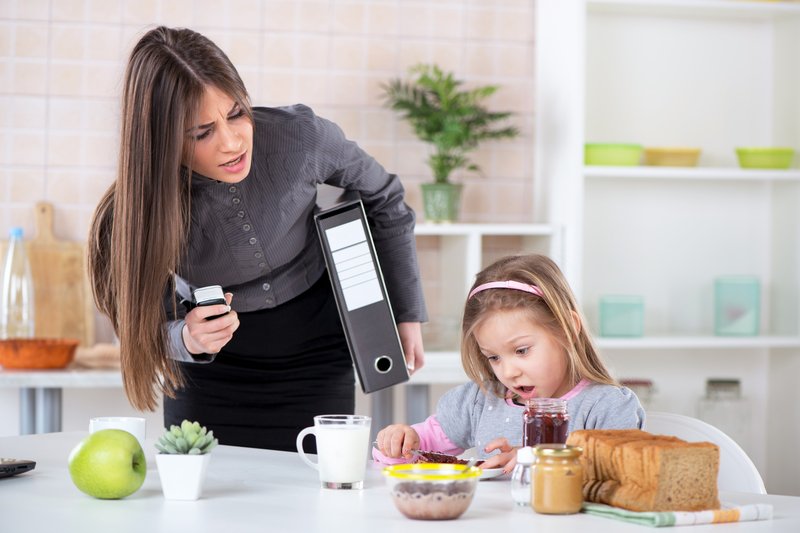
We tend to do things with less resistance when we know what to expect when. In families with children, morning and evening routines are critical for parents and children to start and finish the day on a positive note. Otherwise, everyone will feel quickly deflated.
The key when it comes to routines is to be realistic in estimating a task duration. For example, there’s no point in indicating 5 minutes for breakfast if your child is a slow eater and needs 15 minutes. That’s a recipe for disaster!
Organisation Tip #4: Establish a time map
A time map is a standard weekly schedule with a dedicated timeslot allocated to the important activities in your life. It is the ultimate solution to help you regain control over your schedule and go through your days unrushed and focused on what you have to do. It has helped plenty of my clients feel less stressed, happier and more productive at home and work.

Organisation Tip #5: Equip yourself with the right tools
Even if you have an excellent memory, you don’t want to clutter your brain with information that you can jot down somewhere, forget about and then refer to when you need it.
A planner is indispensable to manage your meetings and appointments, and ideally, your to-dos, so that all the information you need to manage your days is easily available at a glance. Check this article if you’re unsure whether to opt for a paper or digital planner.
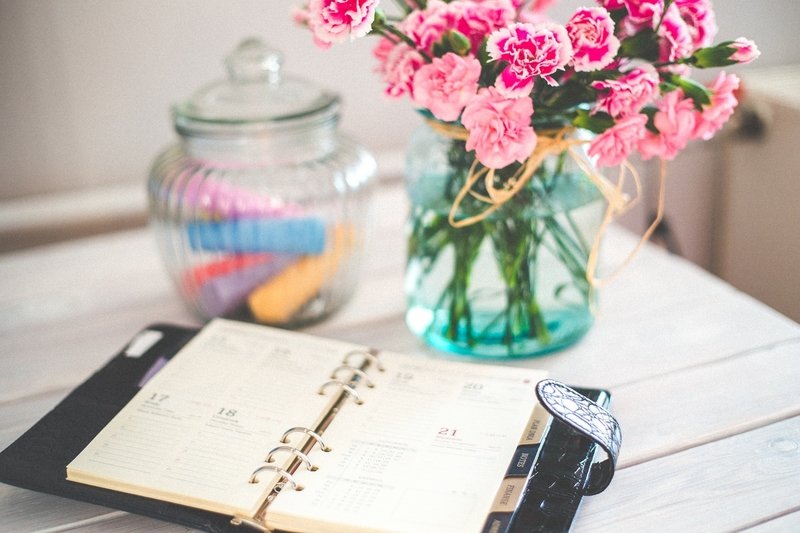
Alternatively, have a separate to-do list. Consider using a note-taking app to manage and update on the go your to-do list and other checklists, such as your grocery list, packing list, reading list, etc. I’m personally a big fan of Evernote.
Organisation Tip #6: Cut the clutter
There’s no mystery here: the more things you own, the more time you’ll spend taking care of your things. Studies have shown that by decluttering and getting organised, you can reduce housework time by 40%. Cutting the clutter will also improve your mental well-being.
What to get rid of? Basically, what you don’t need, use or love. And what doesn’t fit into your storage space.

Organisation Tip #7: Set up systems so your household doesn’t have to rely on you
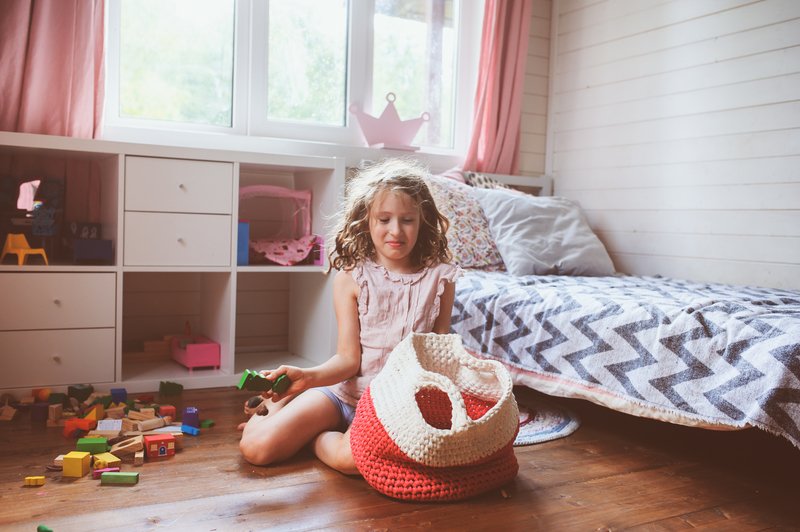
Getting organised involves setting up processes, systems and tools, based on your family’s needs, preferences and habits. If you haven’t been able to involve your family in the organising process, take the time to teach them where the things they use belong so they can put them away in their proper home. Even children as young as 3 years old can help put their toys away. Be patient. It takes time for new habits to sink in. Tell them that if they aren’t sure where things belong, they should ask you instead of putting them in a random place.
As one of my past clients reported,
Our home is now free of a lot of clutter, it doesn’t take much time tidying. I wake up with more energy to tackle the day ahead, ready to hit the ground running at my tidy desk. I’ve found pockets of time I didn’t have before. I go to bed more relaxed knowing my home is neat. It has allowed me to teach my children important life skills. It feels like a new beginning.
Read more testimonials on how getting organised can transform your life.
Organisation Tip #8: Complete any process you start
Take the habit of returning things where they belong immediately after you use them, so that you don’t have to go back to them. Otherwise, it will feel like an extra and uninspiring task to complete at some stage.
If for any reason you’re not able to put things away immediately, save 10 minutes at the end of the day to go through your home and tidy up. Starting the next day in a clutter-free space will lift your spirits in the morning and will keep you motivated to keep your space organised.
For more tips to keep your home organised in the long run, check out this article.
Organisation Tip #9: Streamline your wardrobe
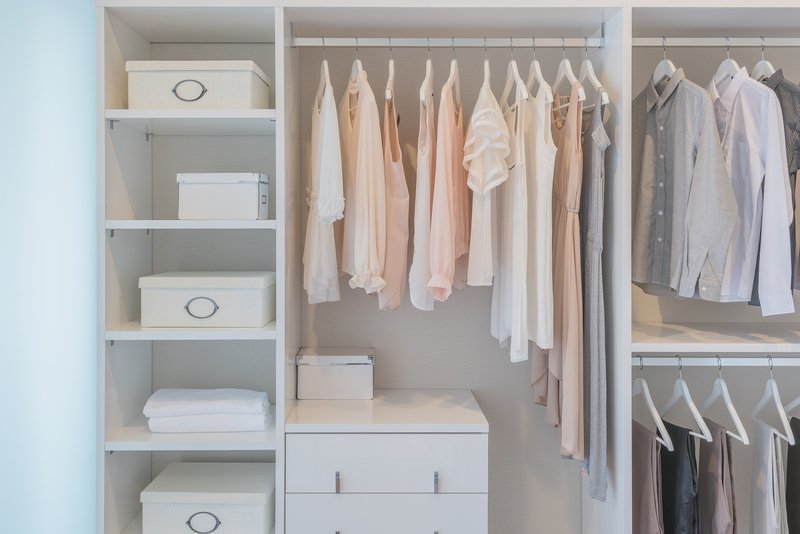
There are plenty of benefits to having an uncluttered and organised wardrobe. As a busy mom, you need – and deserve! – to have a wardrobe filled with clothes that you love, that fit you, that are in good condition, that you can coordinate with other pieces in your wardrobe, etc., so you can easily put an outfit together. You can’t afford to waste time locating the items of clothing you’d like to wear or ironing your outfit at the last minute. You know how it ends, right? You’ll be wearing the same clothes over and over again, clothes that don’t necessarily make you feel good.
Ready for a gentle way to start letting go of clothes that no longer fit your life? My free Quick Wardrobe Fix guide gives you simple, actionable steps to declutter with confidence.
Organisation Tip #10: Implement a basic but robust system to stay on top of the paper
Paper accumulates extremely fast, and many people waste significant time finding the document they need when they need it. I talked about the need for processes, systems and tools above – see organisation tip #7, this is an area where you really can’t do without.
At a minimum, you’ll need a tray or basket for all incoming paper. Your children should be instructed to put all school-related paperwork, such as trip authorisation forms, etc., in this tray. Once a day, go through your tray and discard all the unnecessary paper you’ve received – 80% should go! Sort the rest into a To-Do and To-File pile and action those piles during a specific timeslot you’ll have allocated for these tasks in your schedule.

I’d love to know which organisation tip has proven most useful to you. Please let me know in the comments section below.
Contact me if you’re not sure where to start so we can look at options that would make sense to you, whether you want to gain life organisational skills for a more productive, happy and fulfilling life, or experience the decluttering and organisation process with the support of a coach. I’d love to be part of your journey to a more fulfilling life.

Leave a Reply