Whether you recognise it or not, there’s a high price to pay for being cluttered.
Here’s what clutter costs you.
Clutter Costs You Time
The more you have, the more time you need to take care of it. There’s time trapped into buying stuff, organising it, maintaining it, repairing it, replacing it, and searching for it. According to a study conducted by a Boston marketing firm, the average American burns 55 minutes a day looking for things they know they own but can’t find!
Clutter also decreases your productivity because you’re more likely to get distracted by the chaos around you and lose the ability to focus on one task at a time.
Clutter Costs You Money
Just think about all the items you have in double, or more, in your home.
These are items that you’ve bought because you couldn’t find them when you needed them, or that you’d forgotten you had. Maybe it’s 8 corkscrews, 20 black blouses, 27 cereal boxes, 45 staplers etc. You might consider the price of some of these cheap, but trust me, it does add up. And food might expire, clothes might fade, etc. Unused stuff that will end up in the bin…
There’s also the space associated with keeping all the stuff.
Some people say their home is too small and that they need to move to a bigger one to accommodate all their stuff. But space is becoming increasingly expensive, at least in Singapore, and downsizing might be more a reality than upsizing.
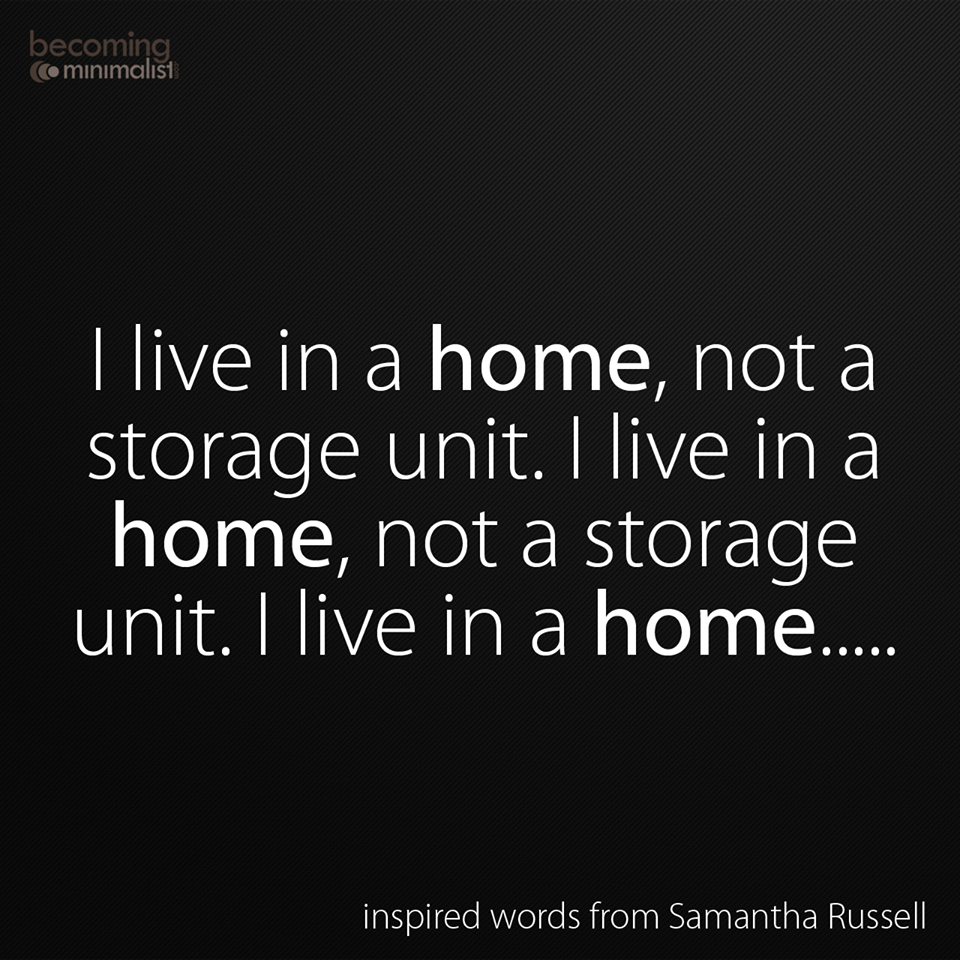
Other people resort to storing their excess in a self-storage unit.
The self-storage industry in Singapore has grown from 1 facility in 2003 to almost 100 in recent years! In the US, it’s estimated that 1 out of 10 households owns a storage unit. Most of the clients I’ve helped clear their storage units had completely forgotten about the stuff they’d put in there and decided not to keep much when they were finally ready to go through it. In the meantime, they’d paid a monthly storage fee (estimated to an average of USD 88 in the US) that over the years added up to a few thousand dollars.
And there are the late payment fees.
According to a study published in Harris Interactive, 23% of adults say they pay their bills late – and as a result, incur late payment fees – because they can’t find them. It’s very common when I help a client declutter and organise his or her desk that we come across:
- cheques that have not been banked in on time,
- vouchers that haven’t been redeemed on time,
- medical bills that haven’t been claimed on time.
Again, it easily adds up to a few hundred if not thousands of dollars…
Clutter Costs You Physical Health
Clutter exacerbates allergy symptoms and respiratory problems.
A cluttered home is not easy to clean: some areas are just too difficult to reach and are never cleaned because it’s just too much work to move the piles of stuff on the floor or on a countertop, so you just clean around them. Dust mites and moulds strive in such an environment.
Clutter wrecks your diet.
Studies show that you are more likely to overeat and make unhealthy food choices when you’re in a cluttered environment because you’re feeling out of control and more stressed. Kitchen clutter makes it very time-consuming and challenging to put a meal on the table every day. You might end up eating out or bringing in ready-made meals more frequently than you should.
Read this article to understand the correlation between clutter and weight
Clutter prevents you from easily falling asleep.
It’s the last thing you see when you close your eyes (and the first thing you see when you open them the next morning). It’s so frustrating when you just want to nod off. Many studies have demonstrated how little or poor sleep can be detrimental to our health.
Clutter makes your home unsafe.
Piles of items strewn haphazardly around your home will inevitably lead to accidents and falls, especially as you age, hoarding disorder aside.

Learn more about the health benefits of living uncluttered
Clutter Costs You Mental Well-Being
According to a study conducted by Extra Space Self Storage in Singapore in 2014…
- 88% of Singaporeans were bothered by their clutter at home
- 85% said it affected their relationships with their immediate family members
- 45% admitted that clutter caused them STRESS, and we know that stress over extended periods can lead to serious health problems.
My guess is that this number has increased since Covid as we were forced to spend more time at home than before and couldn’t escape the clutter in our homes.
But it goes beyond stress. Clutter also brings feelings of:
- OVERWHELM – because of the amount of stuff, because you don’t know where to start or how to tackle it.
- EMBARRASSMENT – clutter makes you reluctant to have people come over to your home, which can impact your self-worth and your relationships with others.
- GUILT – for not setting the right example for your children, for the arguments it creates with your spouse, for throwing food that has expired, for not being able to fit into that expensive dress, etc.
- RESENTMENT – for those presents that you don’t really like but that you feel obligated to keep, for those activities you have no time for because you need to take care of the stuff…
Clutter probably weighs you down more than you think.
But it doesn’t have to be that way. If clutter is taking a toll on you, not only on your space but most importantly on your time, finances, physical health, or mental well-being, it’s time you do something about it.
My blog has plenty of articles I’ve written on how to get rid of clutter. I hope they can help you take that first step. Otherwise, let me support you in your decluttering and organising journey. I foster a learning environment and use a coaching approach to allow you to identify the underlying factors that prevent you from getting and staying organised, design personalised organising systems based on your unique way of thinking and operating, and feel empowered to make decisions and learn the skills so that you take over the process whenever you feel sufficiently equipped to do so. Contact me now!

Leave a Reply