As a woman juggling multiple responsibilities, you know how easy it is for life to feel overwhelming. And if you have ADHD, maintaining an organised home can feel like an even greater challenge. The constant clutter, the nagging feeling of disorganisation – it can all contribute to stress and anxiety.
For some individuals with ADHD, clutter can even become a coping mechanism. Leaving a stack of bills on the dining table or a pile of unfolded laundry on the sofa might serve as visual reminders, compensating for challenges with memory or task management. While this approach might seem helpful in the short term, it can quickly lead to overwhelm and further increase stress levels.
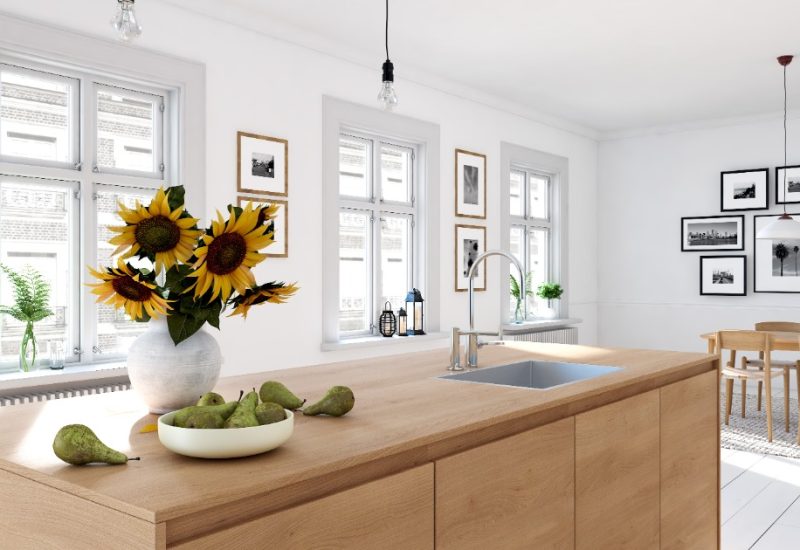
But what if I told you that creating an organised home can not only improve your overall well-being but also reduce the impact of ADHD symptoms on your daily life? In this post, we’ll explore the three key principles of home organisation: Decluttering, Establishing Organising Systems, and Building Routines. We’ll also discuss practical strategies for implementing these principles in your home, even if you have ADHD. Remember, everyone’s journey is unique, and what works for one person may not work for another. The key is to experiment, find what works best for you, and celebrate your progress along the way.
Home Organisation Strategies for ADHD
What Makes it Difficult to Create and Maintain an Organised Home with ADHD

For individuals with ADHD, maintaining an organised home can present unique challenges. These challenges often arise from:
- Difficulty Initiating Tasks: Planning, prioritising and starting tasks, especially those perceived as boring or overwhelming like decluttering, can be a significant hurdle.
- Difficulty Sustaining Focus: Easily triggered distractions can derail focus and make it difficult to complete tasks that require focused effort, such as sorting laundry or decluttering.
- Impulsivity: The tendency to act on impulses, such as starting a new task before finishing the current one, can lead to a chaotic and disorganised environment.
- Working Memory Challenges: Difficulty remembering where items are placed and recalling the steps involved in completing tasks can lead to constant searching and a feeling of overwhelm.
- Emotional Dysregulation: Frustration and overwhelm, which are common among individuals with ADHD, can further impede organisational efforts and lead to avoidance behaviours.
It’s important to remember that these specific difficulties and their impact on daily life can differ greatly among individuals with ADHD.
The Three Key Principles of Home Organisation
#1. Simplify your environment
Decluttering can feel overwhelming, especially when you’re dealing with a lot of “stuff.” But it’s a crucial first step towards creating an organised and peaceful home. When you own less, you:
- Reduce decision fatigue: Fewer possessions mean fewer choices to make, which can be overwhelming, especially for individuals with ADHD.
- Minimise distractions: A clutter-free environment can create a sense of calm and reduce feelings of overwhelm, allowing you to focus better.
- Improve productivity and efficiency: Less stuff means less time spent searching for things and maintaining order.
Studies suggest that we use only 20% of our belongings regularly. This presents a significant opportunity to streamline your possessions.

Start by conducting a thorough decluttering session:
- Let go of the unnecessary: Discard anything you don’t need, use, or love. This includes items that are broken and outdated.
- Eliminate duplicates: If you have multiple items of the same type, keep only the one you use most frequently.
- Create designated storage: For items you use less often (like seasonal clothing or holiday decorations), or items you have duplicates of, create a separate storage area to keep them out of sight and mind.
Tackle paper clutter:
Paper has a way of accumulating, even when you’re trying to be mindful. To minimise paper clutter:
- Go digital: Opt for electronic bills, statements, and receipts whenever possible.
- Scan and store: Scan or photograph important documents like receipts, recipes, and warranties to create digital copies.
- Shred or recycle: Discard junk mail promptly.
Practice mindful consumption:
As you declutter, become more mindful of what you bring into your home. Ask yourself whether you truly need an item before making a purchase. Make a rule to get rid of one item whenever you bring something new into your home. For example, when you buy a new pair of shoes, get rid of a worn pair. This helps prevent clutter from accumulating and encourages a more sustainable approach to living.
Remember to be patient with yourself. Decluttering is an ongoing process, not a one-time event.
Related: 30 Fifteen-Minute Decluttering Projects
#2. Establish Organising Systems
Creating personalised and sustainable organising systems is crucial to allow you to easily retrieve and put things away.
- Assign Dedicated Homes:
- Every item should have a designated home. Always return items to their designated places to minimise searching and maintain order.
- Ideally, the storage location should be as close as possible to where the item is used to minimise the effort required to put it away.
- Create Designated Drop Zones: Establish specific areas for frequently used items. For example:
- A tray by the door for keys, wallet, and phone
- A designated spot for schoolbags near the entrance
- A basket for incoming mail near a waste basket or recycling bin for easy sorting and discarding
- A nice basket or bin in each room to collect items that belong elsewhere, preventing clutter and facilitating easy transport.
- Containerise:
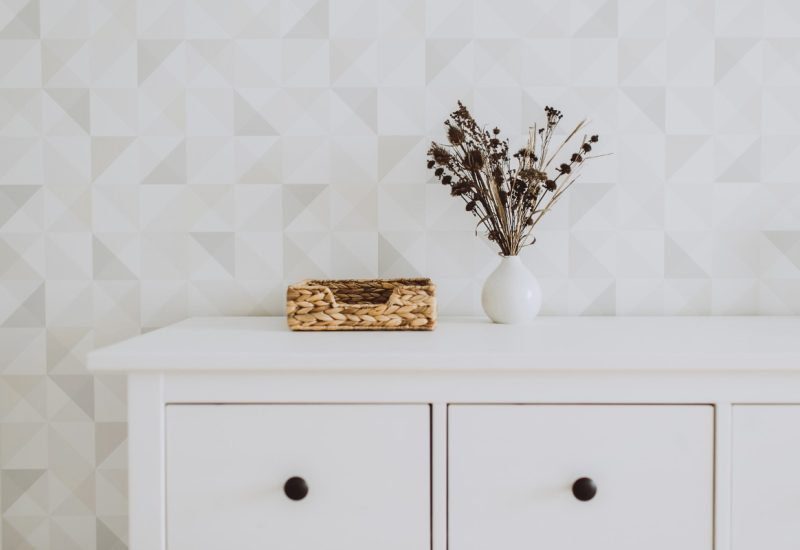
- Use containers, baskets, and drawer dividers to keep similar items together, especially small and loose items that tend to get mixed up. They help you stay organised and reduce the visual clutter.
- Prefer clear containers to allow you to easily see what’s inside.
- Only use lids when necessary, such as to protect items from dust or when stacking containers to maximise space. Otherwise, opt for lidless containers to ensure easy access and minimise the risk of items getting misplaced.
- Label: Label your containers, shelves, and drawers clearly to avoid relying on memory. Use colour-coding if it makes sense to you. This will save you time and frustration searching for items. For children who can’t read yet, use pictures to help them identify where things belong.
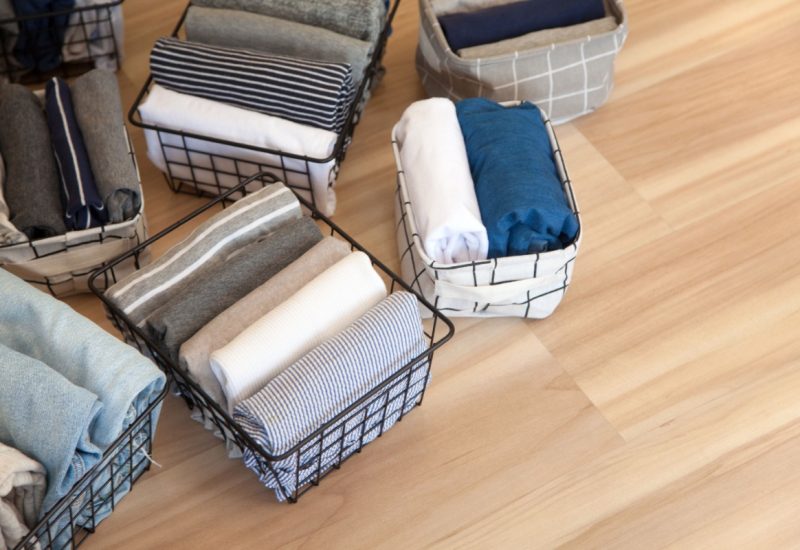
- Arrange Things Vertically: File paper instead of piling it and fold clothes vertically using the “KonMari” method for easier access and to prevent piles from forming.
- Rotate Toys and Hobby Supplies:
- Rotate toys and hobby supplies on a regular basis (monthly or quarterly) to reduce sensory overload and maintain interest.
- Keep out only those currently being used and store the rest away in clearly labelled bins or containers until later.
Remember to avoid overly complex systems that may be difficult to maintain long-term.
Related: Toys organisation: 4 simple tips for when there are just too many toys
#3. Build Routines
Building consistent routines can significantly reduce the stress and overwhelm often associated with ADHD. By incorporating these habits into your daily life, you’ll create a sense of predictability and order, making it easier to maintain a tidy home.
Here are a few key habits to focus on:
- The “tidy as you go” principle: Put items back in their designated places as soon as you’re finished using them. If a task takes less than two minutes, do it right away. This prevents small tasks from piling up and creating overwhelm. For example:
- Put away your keys and shoes as soon as you come back home
- Discard junk paper after opening the mail
- Put dishes in the dishwasher after each meal
- Clear your desk when you’re done working for the day.
- The 10-minute tidy-up: Dedicate 10 minutes each evening to a quick tidy-up of the common areas. Put away toys, fold laundry, and quickly straighten up the living room. This prevents clutter from accumulating and makes it easier to start fresh the next day.

- Schedule Regular Chores:
- Schedule regular chores like laundry, dusting, mopping, plant watering, and meal planning at set days and times each week. By doing so, you separate the action from the decision which might reduce the risk of procrastinating.
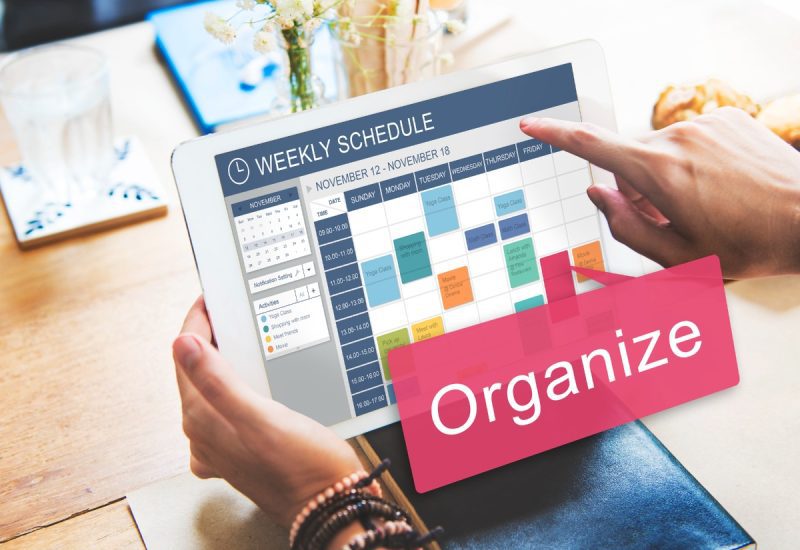
- Add them to your diary or calendar with reminders to stay on track. Or use a weekly chore chart or planner to visually track them.
Remember that building habits require repetitions. If you miss a day, don’t get discouraged and just show up the next one.
Related: 6 Daily Habits To Keep Your Home Clutter-Free And Peaceful
Making it Happen: ADHD-Friendly Strategies for Home Organisation
Individuals with ADHD may face unique challenges such as overwhelm, indecision, and distraction when implementing organisational strategies. Here are some tips to overcome these challenges:
Set Realistic Expectations
- Don’t expect to declutter your entire home in a weekend. Break down large projects or tasks into smaller, more manageable steps. For example, instead of tackling the entire bedroom closet, focus on decluttering one shelf at a time. Instead of ‘clean the bathroom’, break it down into ‘clean the sink’, ‘clean the toilet,’ and ‘clean the floor.’
- Focus on creating sustainable systems that you can maintain long-term, rather than striving for perfection. Aim for progress and celebrate small victories along the way.
- Acknowledge that organisation is a journey, not a destination. You can always declutter some more or refine your systems and habits as needed.
Make Your Time Count
- Schedule specific times for decluttering, organising, and completing chores. Take into consideration your peak energy times. For example, if you’re most alert in the morning, schedule your most challenging tasks for that time.
- Work in focused bursts with short breaks. Follow the Pomodoro Technique and work on a task for 25 minutes followed by a 5-minute break. Or adjust these timings based on your individual needs and preferences.
- Minimise distractions: Turn off notifications. Use noise-cancelling headphones. Or on the contrary, listen to music or a podcast to make time go faster.
- Keep time visible. Use a timer or set alarms on your phone to stay on track during your designated work periods.
Plan Rewards
- Don’t wait for major milestones to celebrate your progress. You might take a break for a few minutes to check your phone, call a friend, or have a snack.
- When you finish a major project, give yourself a bigger reward – maybe dinner at a nice restaurant, a day at the spa or on the golf course.

Build Your Support Network
- Ask a family member or friend for support, accountability, and encouragement. Having someone to check in with you on your progress can be incredibly motivating.
- Consider joining a support group for individuals with ADHD or connecting with others who are also working on improving their home organisation.
- If you’re struggling, consider working with a professional organiser who specialises in working with individuals with ADHD.
Struggling to get things done on your own? Check out my Accountability Group and get the support you need to achieve your goals.
Creating an organised home with ADHD can feel like an uphill battle, but it’s absolutely achievable. By implementing the strategies outlined in this post – decluttering, establishing organising systems, and building routines – you can create a more organised, peaceful, and stress-free living environment.
The transformative power of these organisation strategies isn’t just theoretical. As an ADHD Organising Specialist (certificate owned from the Institute for Challenging Disorganization), I’ve witnessed this positive change firsthand, time and again. One of my clients, Ivan, recently shared: “Happy to say that since we worked together 6 months ago, things have been easy to manage and the amount of mess is largely containable. Constant decluttering is ongoing. Your methods are amazing!“
Feel free to contact me for a free non-obligation exploration chat if you’re curious to know how I could help you.


Leave a Reply