Did you know there are enough clothes on Earth to clothe everyone for the next 100 years?! When I first heard that, it truly hit home. For me, the past couple of years, particularly after my mum passed away, saw a subtle increase in my own consumption. It wasn’t anything drastic, but upon returning from my summer 2024 holiday, I just felt it – a quiet nudge that my wardrobe and shopping habits needed another look. And so, I decided to go on a clothes shopping diet.
You might remember I’ve been on this journey before. But life changes, and so do our habits and needs. This latest iteration of my clothes shopping diet isn’t just about cutting back; it’s about a deeper dive into mindful consumption and truly understanding what serves me, especially when temptation strikes, like on a holiday!
My Renewed Commitment: The “Five-Item-A-Year” Challenge
Since September 2024, I’ve committed to a new challenge: buying no more than five items of clothing per year, excluding replacements of items that have had better days. This specific number isn’t arbitrary; it’s a recommendation from the think tank Hot or Cool Institute. Their report suggests that, for those living in the high-income G20 countries, “if no other actions are implemented, such as repairing/mending, washing at lower temperatures, or buying second-hand [which I do], purchases of new garments should be limited to an average five items a year to achieve the goal of limiting global warming to a maximum increase of 1.5 degrees Celsius. So, I decided to run with this number.
My approach to clothes consumption is driven by mindful principles, focusing on styling over chasing newness and maximising what I already own to build a wardrobe that truly reflects my personal style. This approach began with a stricter zero-new-item challenge a decade ago, which taught me much about consumption triggers. I don’t typically shop online, as I find nothing beats trying an item on properly to truly gauge the fit and feel. I once had a business acquaintance credit my sense of style to my “French DNA.” While I appreciate the compliment, the truth is that it’s not some innate gift; it’s been a conscious, years-long effort to define what makes me feel good and put together without fuss.
Yet, despite my past experience, the five-item-a-year challenge still sounded a bit daunting. And, it’s certainly been a learning curve, revealing unexpected temptations and emotional connections to shopping along the way. What’s truly different and significant in this latest iteration is the focus on truly decoding my personal style through rigorous data collection and developing practical outfit formulas.
The “Wear Everything You Own” Experiment: A Deep Dive into My Wardrobe
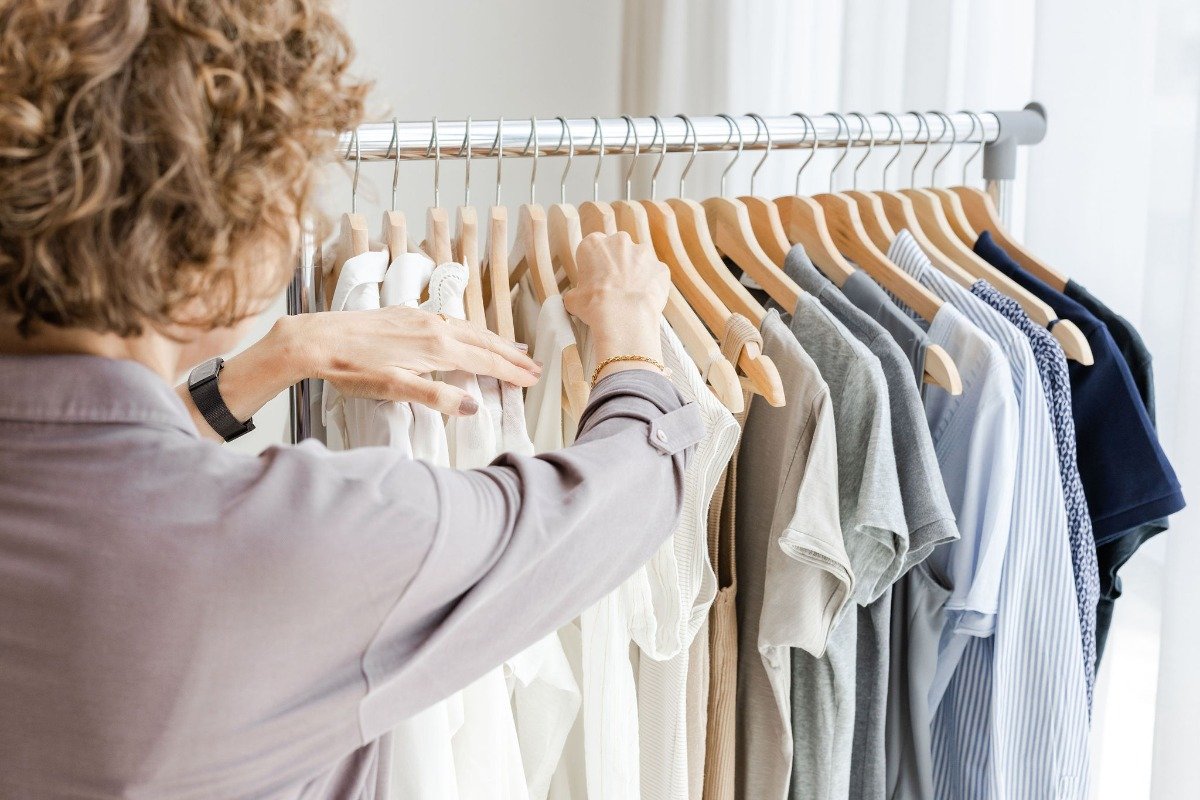
To really understand my current wardrobe and what was working (or wasn’t), I put myself through a personal 6-month challenge from January to June this year. My goal? To wear every single item of clothing I own, by practising the reverse hanging technique.
For those unfamiliar, it’s simple but insightful: hang all your clothes with the hangers facing one way. Once you wear an item, turn the hanger the other way. After a set period, you can instantly see what you’ve worn and, more importantly, what you haven’t!
Here’s how my challenge unfolded:
- End of January: About 70% of my clothes had been worn. Some I wore more than once, either because I just wanted to wear them again or to properly ascertain how I felt about them.
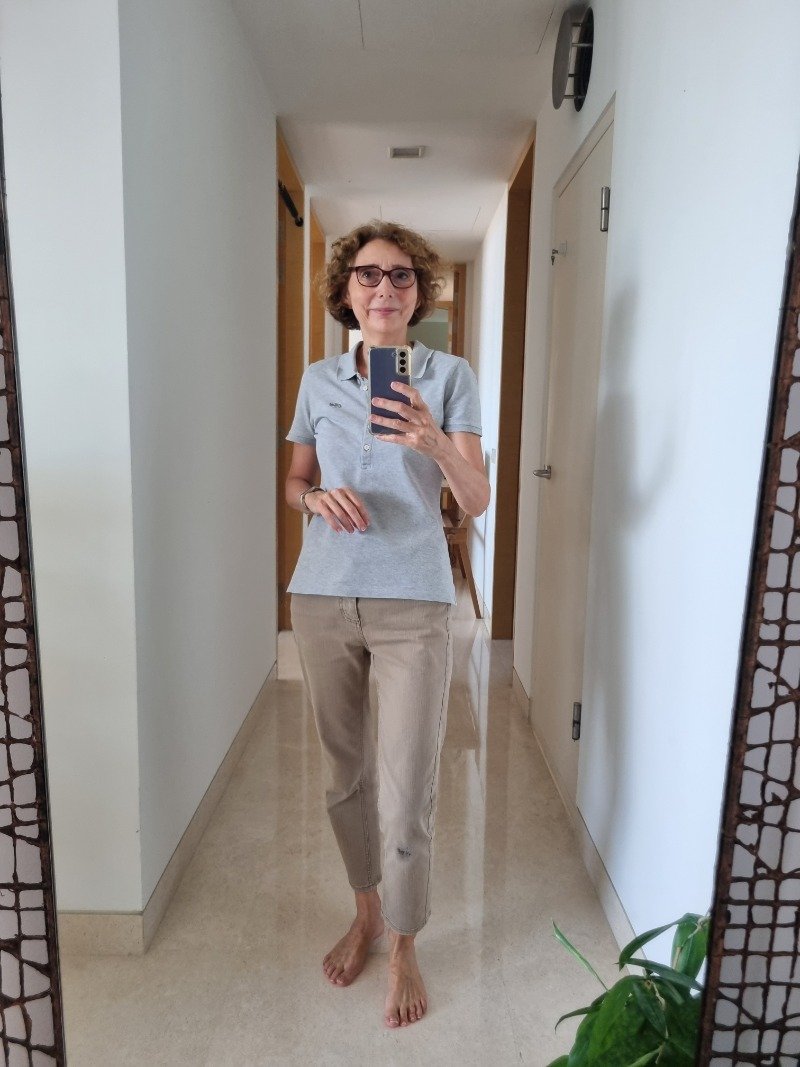
- End of February: I’d reached around 90%. What was left unworn? Mostly business attire – two pairs of business trousers, four business dresses, and one long-sleeve button-down shirt. It became clear I had far too many business clothes for my current working style (unless I’m giving a talk or attending a networking event, I’m usually in capri trousers and a polo shirt when working onsite with my clients).
- End of June: Almost there! Only one dress remained unworn. I still like it, but the proper occasion just hasn’t presented itself.
In parallel with wearing everything, I diligently collected data on each item: its type, colour, pattern, fit, cut, material, and brand. I also noted the occasion I wore it, my comfort level, how it made me feel, and my overall likeability level. Yes, it was a time-consuming exercise, but it was such an amazing learning experience!

Decoding My Personal Style: What I Learned (and What I Let Go Of!)
This deep dive into my wardrobe was truly transformative. I summarised the data and created a clear list of features to look for (and avoid)! when buying clothes.
Here’s a snapshot of what I learned about my style:
- Colour Palette: My go-to neutrals are navy blue, khaki, grey, beige and off-white. I introduce pops of colour with a yellow top and an orange scarf or handbag. I’ve slowly been letting go of black pieces as I’ve realised they tend to drain me out.
- Style DNA: I’m all about classic, casual, and minimalist/simple pieces that feel put together without fuss, practical, and comfortable. What’s decidedly not me? Girly, overly feminine, edgy, or bohemian styles.
- Key Preferences: I prefer knee-length skirts and dresses (not too short, not too long), skirts that aren’t too flowy (they make my hips look bigger!), and discreet patterns. For trousers, I favour high-rise jeans and khakis (more comfortable when bending down), straight cuts, and 7/8 or full length. For tops, fitted button-down shirts, loose but not oversized tops that cover my hips (no cropped ones!), simple designs with a small detail, and V-necks over crew necks. Cotton is definitely my preferred fabric.
This clarity allowed me to develop outfit formulas for different occasions, meaning I’m far less likely to buy random stuff! For hands-on client sessions, it’s 7/8 high-rise trousers (I have three!). I bought these second-hand, so I’m less worried about them getting dirty or damaged during hands-on work. Teamed with a Lacoste polo shirt (four!), this foundation means just one more piece can unlock many more combinations. I also have formulas for speaking engagements (a dress), business meetings (trousers + button-down shirt/blouse or dress), home wear (shorts + cotton t-shirt or relaxed dress), and different ‘going out’ scenarios.
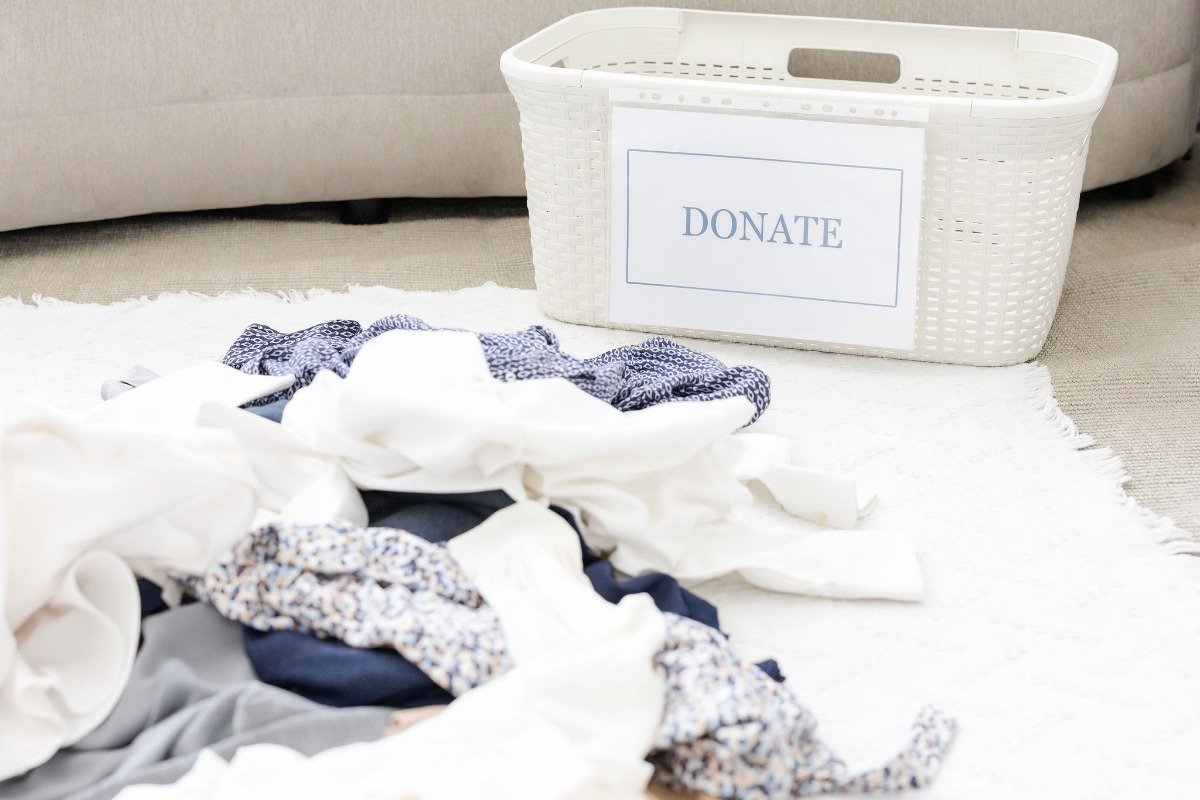
Armed with this newfound clarity, it became much easier to let go of clothing items that:
- Made me feel self-conscious being seen in public in (e.g., torn denim shorts)
- I was keeping for home, but were not in the best condition (I deserve to feel good in my clothes at home too!).
- Were no longer my style (I don’t do “cute” or overly feminine!)
- Were unflattering for my body shape or colour palette
- Were uncomfortable, especially those shoes I could no longer walk in because of a foot condition
- Made me feel outdated, such as some costume jewellery or cracked belts
- Were the wrong size – too small or too large (there was more than I thought!)
- Were standalone pieces that I didn’t have at least 3 other items to pair with
- I wouldn’t keep if I could get my money back.
I also made sure to get several loose/oversized shirts, blouses, trousers, and dresses altered to fit me better, proving that sometimes, you don’t need new, you just need a better fit!
The Holiday Haul Hangover: Navigating Temptation on the Go
My journey with the 5-item-a-year goal has been truly revealing, especially when faced with the unique temptations of travel. Here’s my progress report 10 months in:
- Sep-Dec 2024: I managed to stay perfectly on track, only replacing a pair of walking shoes and sports shoes, both on my podiatrist’s advice. Feeling chuffed!
- Dec 2024 (Christmas break in Paris): The capital of fashion! I went with a strict shopping list for replacements: two sets of underwear, a pair of trousers, and a long-sleeved top. I didn’t find the trousers I wanted, but I did buy two long-sleeve tops instead of one. I’m counting that as one item bought towards my limit. Not bad for Paris!
- March 2025 (Oops!): March was quite a stressful month for me, and I ended up buying three items of clothing in a matter of 10 days. It highlighted the link between stress and shopping, a form of emotional buying. No regret though, I love the pieces I’ve bought; they were not random items but pieces that I have clearly identified as part of my personal style exercise, and I’ve been wearing them on repeat since then.
- June 2025 (Trip to Hong Kong): This is where my struggle really hit. I only had a pair of specific jeans on my list, which I’d been looking for more than six months. Found them, bought them – hurray! I also bought a replacement for a dress. But then… I couldn’t resist temptation and bought two cotton tops that I convinced myself I can’t find in Singapore at that price and quality.
So, after ten months, I’m at seven items compared to my target of five. That means for the next two months, I’m technically not allowed to buy anything else!
But I want to remind myself that this journey isn’t about perfection; it’s about awareness. Navigating these moments of temptation, especially when travelling and experiencing new places, has been a learning curve. The holiday mindset, the unique finds, the “I’m on holiday, I deserve it” feeling – it’s all very real.
Beyond the “Diet”: Building a Mindful Wardrobe & Life
This clothes shopping diet, especially this latest iteration, has reaffirmed something profound: it’s not about deprivation. It’s about intentionality, self-awareness, and creating a wardrobe that truly serves you and brings genuine joy. It’s a continuous learning process, full of insights, and yes, sometimes a few “oops” moments!
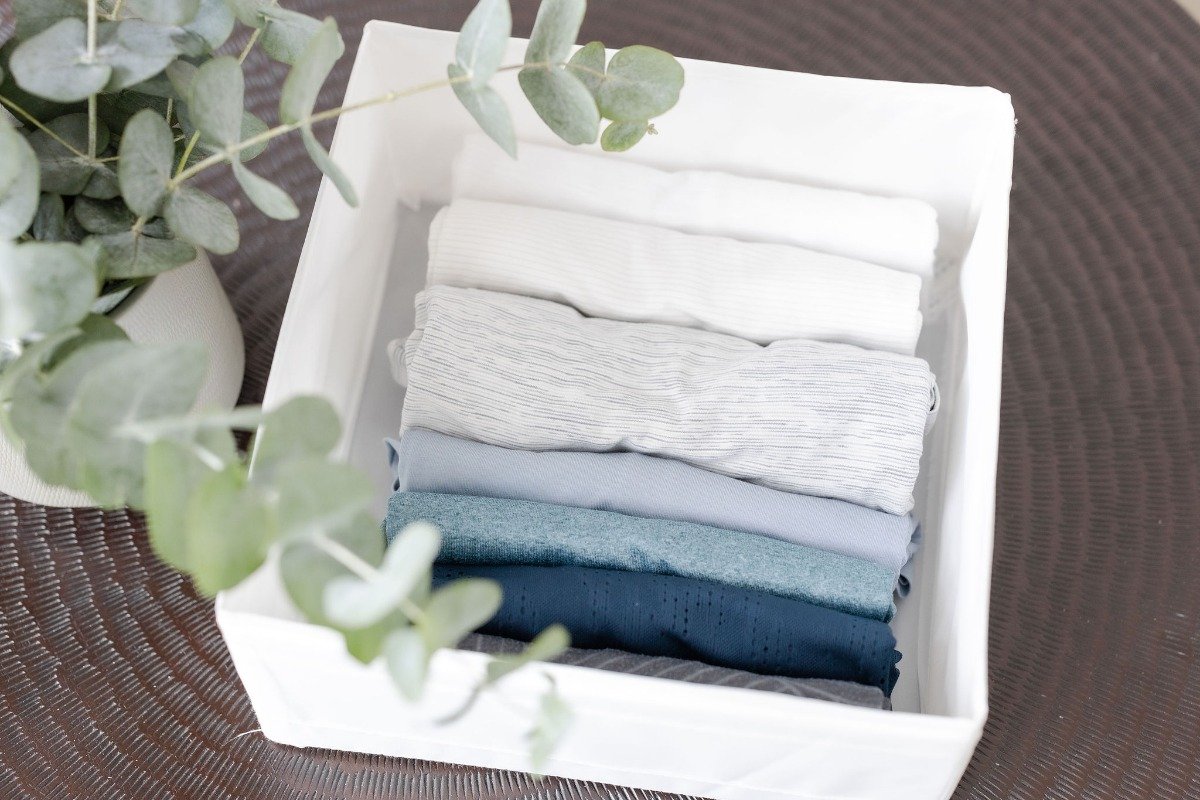
This journey of truly understanding my clothes, what serves me best, and how to navigate temptations is absolutely fundamental to creating a truly organised and functional wardrobe – one where every single piece has a purpose, fits beautifully, and I feel great wearing it, every single day. When you understand your style, your needs, and your habits, your wardrobe becomes a source of calm, not clutter.
Now, I appreciate you might not have time for a massive wardrobe overhaul, but that doesn’t mean you can’t find clarity. If your wardrobe feels overwhelming or full of clothes that don’t feel like you anymore, my free ‘Quick Wardrobe Fix‘ guide is designed as a simple, gentle way to start. It gives you immediate, sustainable steps to clear the clutter, build confidence, and feel lighter and more in control every day.
What are your biggest challenges when it comes to clothes shopping, especially when you’re away on holiday? Have you ever tried a shopping diet, or perhaps a “wear everything you own” challenge? Share your tips and experiences in the comments below – I’d love to hear from you!

Leave a Reply