Do you ever feel like the popular rules for decluttering people rave about weren’t written for you?
Perhaps you’ve watched a minimalist marathon on YouTube or read “The Life-Changing Magic of Tidying Up” by Marie Kondo, only to find yourself sitting on the floor three hours later, surrounded by even more mess and a mounting sense of shame. If you are neurodivergent (ADHD or ASD), navigating trauma, or simply going through a massive life transition like a bereavement or a new baby, those rigid rules can feel like a heavy weight rather than a helping hand.
The truth is, much of what we see on Instagram or Pinterest is staged instant transformations. In reality, decluttering is a journey, not a weekend sprint. Today, I want to share 5 decluttering rules to break if you want to protect your energy and actually see progress.
Why Traditional Decluttering Rules Often Fail the Overwhelmed
Many of my clients come to me feeling embarrassed because they couldn’t stick to a specific method. I want to reassure you: you aren’t the problem. Most popular methods are designed for people with high executive function.
When you’re dealing with task paralysis or emotional fatigue, the expectation of a “perfect before and after” is a recipe for your motivation to declutter to vanish. You are far from alone in this; there is a whole community of people who need a more nurturing, flexible approach to decluttering.
5 Decluttering Rules to Break for a Calmer Home
1. The “All at Once” Marathon

- The Rule: The idea that you must declutter your home in a weekend or, as the KonMari principle suggests, “discard all at once, intensely and completely.”
- The Benefit: It creates a rapid, dramatic change. This works best when it is not your first time decluttering – when things already have a dedicated home, and you know what you have.
- When it Doesn’t Work: If your clutter didn’t build up overnight, it won’t disappear overnight. Forcing a marathon often leads to decluttering burnout. It is a lot of stuff to face, emotions to confront, and decisions to make; there is only so much you can swallow at once.
- What to Do Instead: Instead of expecting an instant transformation, view it as a journey. I help my clients build their “decluttering muscle” through several iterations. Each iteration makes you stronger and more confident. You can read about my own experience decluttering my bookshelves here.
2. Sorting by Category, Not Location

- The Rule: Bringing every single item of one category (like all your clothes) into one pile.
- The Benefit: It makes you realise how much you own in one category, decide how much to let go of and which items to part with.
- When it Doesn’t Work: If you have a large volume of stuff not easily accessible, or if you can’t work on your project for long periods of time in one sitting, hunting down all the items of one category from your entire home to then see a mountain of clothes on your bed or your whole pantry on the kitchen countertops can be quite overwhelming.
- What to Do Instead: Try a “quick-and-dirty” decluttering by room first. Clear the visible easy wins to create breathing room, then tackle categories once the environment feels less chaotic.
3. Following a Fixed Sequence
- The Rule: The belief that you must start with clothes, then move to books, and save sentimental items for last, or any other specific order recommended online.
- The Benefit: It provides a predictable roadmap, so you don’t have to think and decide what to do next.
- When it Doesn’t Work: We all have a different relationship with our belongings. If you are deeply attached to clothes, starting there will stall your progress immediately.
- What to Do Instead: Start with the easiest category for you. This might be based on quick wins to give you momentum, your current stress levels, or specific goals like being able to entertain. Whether it’s the junk drawer or the bathroom cabinet, you want to fuel the more difficult decisions later. For more help, see these tips for when you struggle to let go.
4. The “Take Everything Out” Method
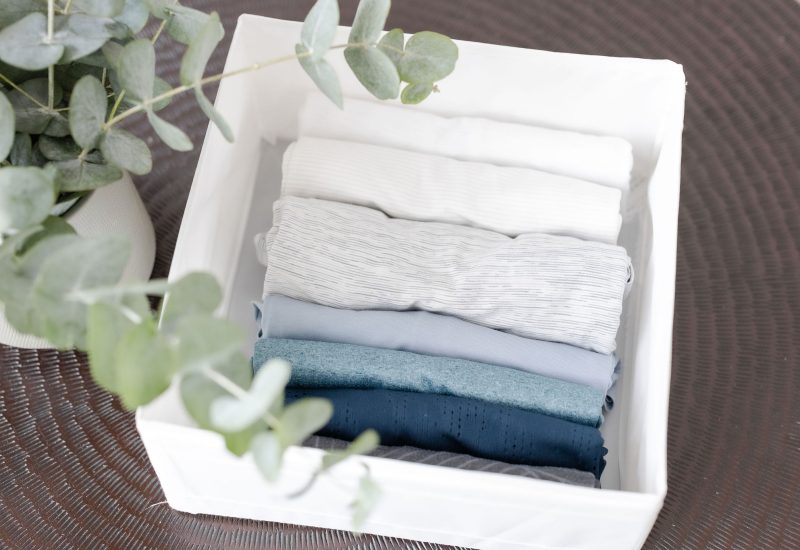
- The Rule: Emptying every cupboard before you begin sorting.
- The Benefit: It forces you to confront the total volume of what you own.
- When it Doesn’t Work: It often leads to decision fatigue halfway through. If life interrupts, you’re left with a bigger mess than you started with.
- What to Do Instead: Work in small, manageable sections. Don’t pull out more than you can deal with in 30 minutes. This includes time for putting things away and rehoming items to avoid the “clutter hangover“.
5. The “Haven’t Used It in a Year” Rule
- The Rule: If you haven’t used it in 6 or 12 months, it must go.
- The Benefit: It provides a clear, objective boundary.
- When it Doesn’t Work: Many items have a “functional cycle” longer than a year – like hobby gear, seasonal items, or things for a specific life stage.
- What to Do Instead: Focus on purpose and space capacity. Ask: “Does this item have a clear purpose in my life, and do I have the space to keep it without it causing me stress?”
My Approach: Decluttering That Works for Your Brain

You may have noticed that my approach is a little different from the “rules” above. My goal isn’t to give you a “perfect” home that looks like a showroom; it is to be a catalyst in your life, equipping you with the tools, skills, motivation, and confidence to take your organising journey as far as you want it.
I help you face the discomfort of your “stuff”. It is important to confront it so you can change the narrative and prevent the clutter from coming back. We work at a pace that feels safe for you.
FAQ: Common Questions About Decluttering Rules
If you notice signs you need to get organised, such as feeling anxious in your own home or losing important items frequently, it’s a good time to start – even if you only start with one drawer.
Absolutely. In fact, for many of my clients, it’s essential. Gentle decluttering is iterative. Your first declutter clears the surface clutter and reduces the “noise” in the room. Subsequent declutters allow you to make deeper decisions as your confidence and clarity grow.
This fear is common. By using an iterative method, we reduce this risk. We don’t make permanent decisions on difficult items until your “decision-making muscle” is strong.
Finding a Method That Works for You
There is no one-size-fits-all when it comes to finding peace in your home. The best rules for decluttering are the ones that actually work for you, not against you. You can explore other popular decluttering methods here to see what resonates.
Which of these common decluttering rules has always felt impossible for you to follow? Let me know in the comments below – I’d love to hear your experience.
Ready for a gentler approach? If you’re looking for a low-pressure, supportive environment to experiment with these ideas, my Online Clutter Support Group is designed for people who want to declutter without judgment or rigid rules.

Leave a Reply